




04 November 2020 Heat Stress, Dehydration & Sun Protection Guide For Australian Workplaces

ABL Workplace Safety Guide
Heat Stress, Dehydration & Sun Protection In The Workplace
Recognise the signs of heat stress, reduce dehydration risks, protect workers from UV exposure, and choose the right cooling, hydration and sun protection products for Australian worksites.
Why Heat & Sun Safety Matters
Working in high temperatures, especially under the harsh Australian sun, can place serious strain on the body. Heat stress can lead to dehydration, heat exhaustion and, in severe cases, heat stroke, which is a medical emergency.
Outdoor workers also face ongoing exposure to ultraviolet radiation, commonly known as UV radiation. UV damage can cause sunburn, premature ageing, eye damage and skin cancer. Because UV radiation cannot be seen or felt, sun protection should not only be used when the weather feels hot.
What Is Heat Stress?
Heat stress occurs when the body struggles to cool itself effectively. The risk increases with high temperatures, humidity, direct sun, physical labour, poor airflow, radiant heat from machinery, and PPE that traps body heat.
Important: Heat stroke can be life-threatening. If a worker becomes confused, collapses, loses consciousness, has seizures, or is not improving with cooling and rest, call emergency services immediately.
Early Warning Signs
- Thirst or dry mouth
- Headache
- Dizziness or light-headedness
- Heavy sweating
- Tiredness or weakness
- Muscle cramps
- Nausea
Serious Warning Signs
- Confusion or unusual behaviour
- Fainting or collapse
- Very high body temperature
- Hot, flushed or dry skin
- Seizures
- Loss of consciousness
- Symptoms not improving
Types Of Heat-Related Illness
Heat Rash: Skin irritation caused by excessive sweating.
Heat Cramps: Painful muscle cramps caused by fluid and electrolyte loss.
Fainting: Can occur from dehydration or heat strain.
Dehydration: Occurs when fluid loss is not replaced properly.
Heat Exhaustion: The body becomes overwhelmed trying to cool itself.
Heat Stroke: A medical emergency requiring immediate attention.
Hydration Tips For Hot Workplaces
Hydration is one of the most important ways to reduce the risk of heat stress. Workers should have easy access to cool drinking water and be encouraged to drink regularly before they feel extremely thirsty.
Electrolyte drinks, sachets and ice blocks may help workers who are sweating heavily, doing physical labour, or working in high heat for long periods. These should be used alongside water, not as a complete replacement.
| Work Situation | What Helps | Suitable Products |
|---|---|---|
| Outdoor work | Regular water, shade breaks and sun protection. | Thorzt, Sqwincher, sunscreen, hats, cooling towels |
| Hot indoor work | Ventilation, cool rest areas and hydration stations. | Electrolyte drinks, fans, cooling apparel |
| Heavy physical work | More frequent breaks, task rotation and electrolyte replacement. | Electrolyte ice blocks, cooling vests, drink bottles |
| Heatwave conditions | Reschedule high-risk tasks and increase supervision. | Cooling PPE, shade, hydration products, first aid supplies |
Sun Protection For Outdoor Workers
UV radiation is a major cause of skin cancer in Australia and is a serious workplace hazard for outdoor workers. UV radiation cannot be seen or felt, so sun protection should not be based only on temperature or whether the sun feels strong.
SlipOn protective clothing
SlopOn SPF 30+ or SPF 50+ sunscreen
SlapOn suitable headwear
SeekShade where practical
SlideOn safety sunglasses
Heat Stress & Sun Protection Products
Electrolyte Solutions
Thorzt and Sqwincher electrolyte products help replace fluids and electrolytes lost through sweat. Choose from convenient electrolyte ice blocks, electrolyte drink sachets and electrolyte concentrate solutions to suit your workplace hydration requirements.
Cooling Apparel
Cooling vests, neck ties and chill towels can help improve comfort in hot conditions.
Sun Protection PPE
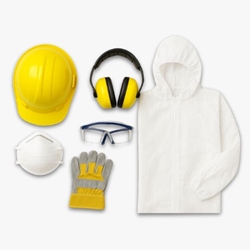
Wide-brim hats, hard hat brims, neck flaps, SPF 50+ sunscreen and safety sunglasses help reduce UV exposure.
Wet Weather Gear
Raincoats, waterproof clothing and gumboots help workers stay protected when summer storms hit.
Workplace Heat & UV Safety Checklist
- Identify heat and UV hazards before work begins.
- Provide cool drinking water and encourage regular hydration.
- Use shade, airflow, ventilation or cool rest areas where practical.
- Schedule heavy work during cooler parts of the day where possible.
- Provide suitable sun protection PPE, sunscreen and safety eyewear.
- Use cooling products where appropriate for the task and conditions.
- Train workers to recognise heat stress and dehydration symptoms.
- Use a buddy system during hot weather or high-risk tasks.
- Have first aid and emergency procedures ready.
Frequently Asked Questions
What is heat stress?
Heat stress occurs when the body struggles to cool itself effectively. It can lead to dehydration, heat exhaustion and heat stroke.
What are the early signs of heat stress?
Early signs can include thirst, headache, dizziness, heavy sweating, tiredness, nausea and muscle cramps.
What is the difference between heat exhaustion and heat stroke?
Heat exhaustion means the body is struggling to cool itself. Heat stroke is more serious and can be life-threatening. If heat stroke is suspected, call emergency services immediately.
Are electrolyte drinks useful at work?
Electrolyte drinks can be useful for workers who are sweating heavily or doing physical work in hot conditions. They should be used alongside regular water intake.
When should sun protection be used?
Sun protection is recommended whenever UV levels are 3 or higher, even if the day does not feel hot.
How often should sunscreen be reapplied?
Follow the sunscreen label instructions. Sunscreen should generally be reapplied regularly, especially after sweating, wiping skin or working outdoors for long periods.
Need Heat Stress & Sun Protection Products?
ABL Distribution supplies electrolyte drinks, cooling apparel, sunscreen, hats, safety sunglasses, PPE and wet weather gear to help workers stay safer and more comfortable in Australian conditions.
Contact ABL Distribution